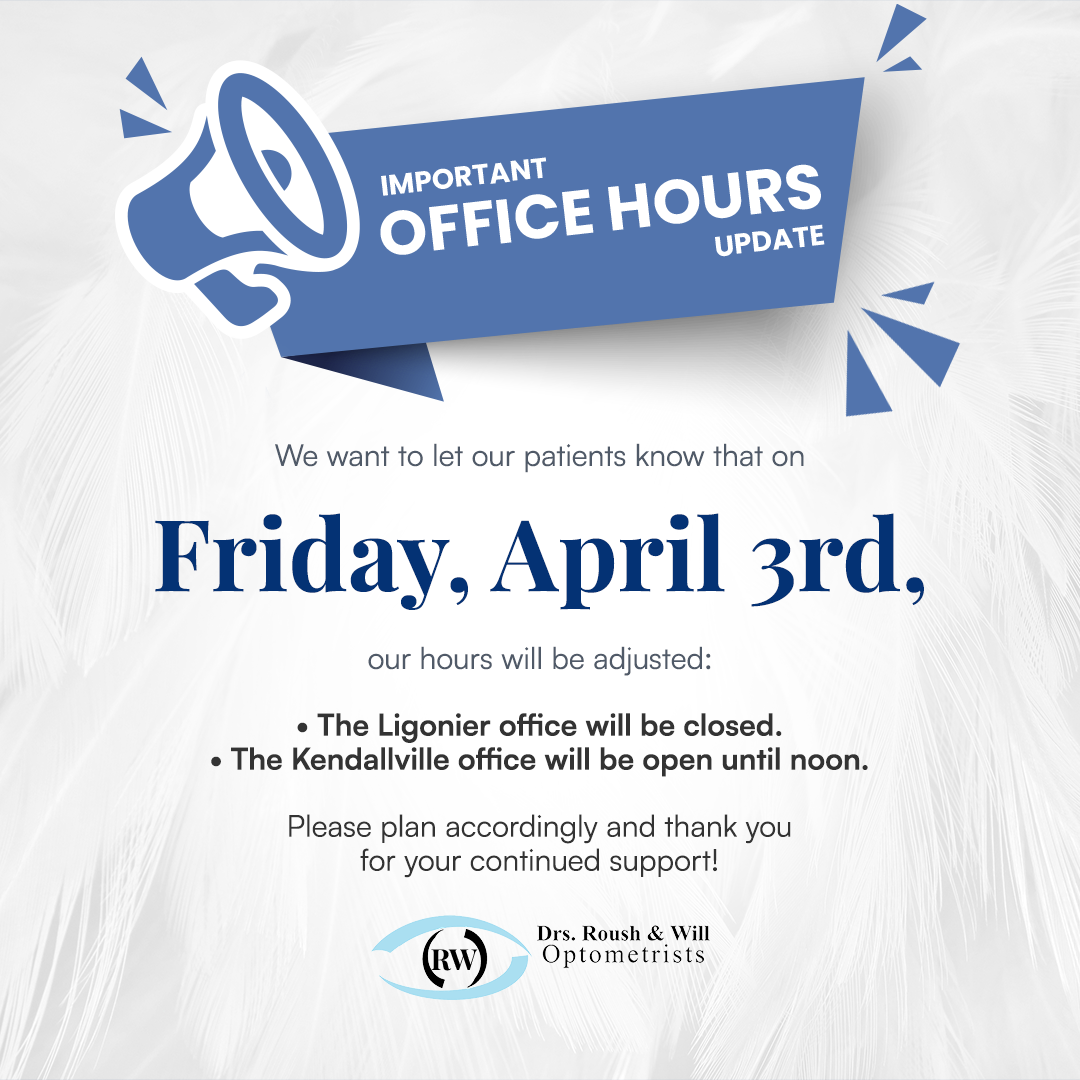

What Are the Differences Between Scleral Lenses and Regular Lenses?

Contact lenses have come a long way, offering more options than ever for patients with a wide range of vision needs. While traditional contact lenses work well for many people, scleral lenses provide a specialized solution for patients who need enhanced comfort, clarity, or eye health support. Understanding the differences between scleral lenses and regular contact lenses can help you determine which option may be right for you.
What Are Regular Contact Lenses?
Traditional contact lenses typically include soft lenses and rigid gas permeable (RGP) lenses. These lenses sit directly on the cornea, the clear front surface of the eye.
Common benefits of regular contact lenses include:
• Suitable for mild to moderate nearsightedness, farsightedness, and astigmatism
• Available in daily, biweekly, or monthly replacement options
• Thin, lightweight, and easy to adapt to for most wearers
• Widely accessible and generally more affordable
For many patients with healthy eyes and uncomplicated prescriptions, regular contact lenses provide clear vision and comfortable daily wear.
What Are Scleral Lenses?
Scleral lenses are larger, custom-designed gas permeable lenses that rest on the sclera (the white part of the eye) rather than the cornea. The lens vaults over the cornea and creates a fluid-filled reservoir between the lens and the eye.
Scleral lenses are often recommended for patients with:
• Keratoconus or irregular corneas
• Severe dry eye syndrome
• Post-surgical corneas (such as after LASIK or corneal transplants)
• Corneal scarring or other ocular surface conditions
Because they are custom-fit, scleral lenses are designed to address complex vision and comfort challenges that standard lenses cannot.
Key Differences Between Scleral Lenses and Regular Lenses
Lens Size and Fit: Regular contact lenses are smaller and sit directly on the cornea. Scleral lenses are significantly larger and rest on the sclera, avoiding direct contact with sensitive corneal tissue.
• Comfort: While regular lenses are comfortable for many wearers, they can sometimes cause dryness or irritation, especially in patients with dry eye. Scleral lenses are often more comfortable for these patients because the fluid reservoir keeps the eye continuously hydrated.
• Vision Quality: Scleral lenses often provide sharper, more stable vision for patients with irregular corneas or higher-order visual distortions. Regular lenses may not fully correct these complex vision issues.
• Eye Health Benefits: Scleral lenses can protect the cornea by maintaining a moist environment, which can promote healing and reduce symptoms of dryness or irritation. Regular contact lenses do not provide this therapeutic benefit.
Which Option Is Right for You?
The best lens choice depends on your eye health, vision needs, and lifestyle. While regular contact lenses are ideal for many patients, scleral lenses can be life-changing for those with more complex eye conditions or ongoing discomfort with traditional lenses. At Drs. Roush and Will Optometrists, comprehensive eye exams and detailed contact lens evaluations allow the doctors to determine the most appropriate solution for your unique eyes.
Schedule Your Contact Lens Exam Today
Scleral lenses and regular contact lenses serve different purposes and patient needs. Regular lenses are a convenient, effective option for everyday vision correction, while scleral lenses offer advanced comfort, protection, and clarity for patients with specialized eye conditions.
If you’re experiencing discomfort with your current contacts or have been told you’re not a good candidate for traditional lenses, scleral lenses may be the solution you’ve been looking for. Contact Drs. Roush and Will Optometrists to schedule a contact lens exam and learn which option is best for your eyes. Visit our office in Albion, Kendallville, or Ligonier, Indiana. Please call (260) 636-7788, (260) 347-3458, or (260) 894-3909 to book an appointment today.
Albion Office
- Monday: Closed
- Tuesday: 8:00 am – 5:30 pm
- Wednesday: 8:00 am – 5:00 pm
- Thursday: 8:00 am – 5:00 pm
- Friday: Closed
- Saturday: By Appointment Only
- Sunday: Closed
- *Closed for lunch 12:00pm - 1:00pm
Kendallville Office
- Monday: 8:00 am – 6:00 pm
- Tuesday: 8:00 am – 5:00 pm
- Wednesday: Closed
- Thursday: 8:00 am – 6:00 pm
- Friday: 8:00 am – 4:00 pm
- Saturday: By Appointment Only
- Sunday: Closed
- *Closed for lunch 12:00pm - 1:00pm
Ligonier Office
- Monday: 8:00 am – 5:00 pm
- Tuesday: Closed
- Wednesday: 8:00 am – 6:00 pm
- Thursday: Closed
- Friday: 8:00 am – 4:00 pm
- Saturday: By Appointment Only
- Sunday: Closed
- *Closed for lunch 12:00pm - 1:00pm
© 2026 Drs. Roush and Will Optometrists. All rights Reserved. Accessibility Statement - Privacy Policy - Sitemap
Powered by: