
What Can a Medical Eye Exam Detect? Common Eye and Health Conditions
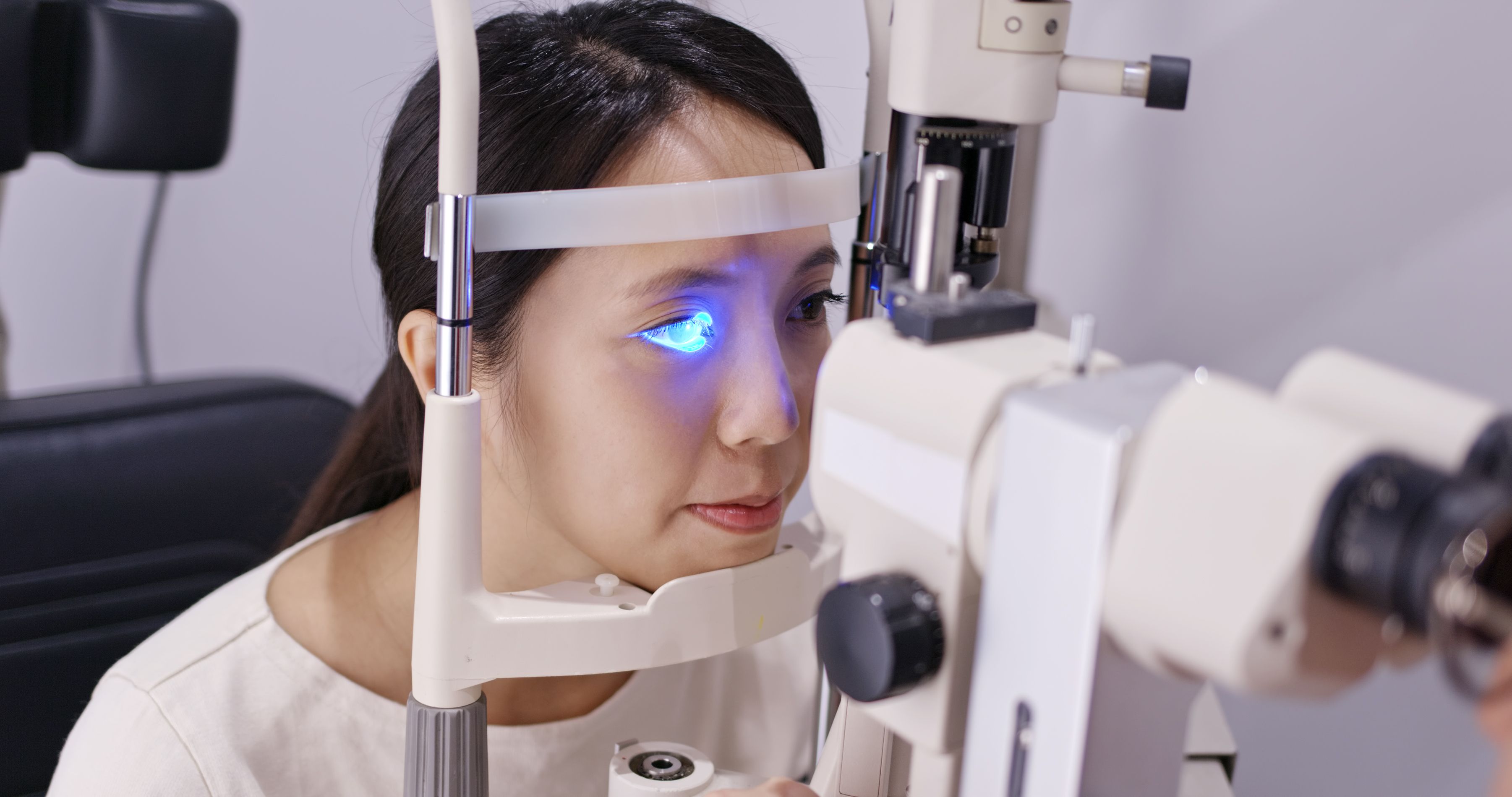
When most people think of an eye exam, they think of updating their glasses or contact lens prescription. While clear vision is important, a medical eye exam goes far beyond determining whether you need a new pair of frames. At Drs. Roush and Will Optometrists, medical eye exams are designed to look deeper.
What Is a Medical Eye Exam?
A medical eye exam focuses on diagnosing, monitoring, and managing eye diseases and health-related conditions that affect vision. Unlike a routine vision screening, this type of exam evaluates:
- Internal and external eye structures
- Eye pressure
- Retinal health
- Optic nerve condition
- Blood vessels within the eye
- Tear film and ocular surface
Advanced technology allows optometrists to detect subtle changes long before symptoms appear.
Glaucoma
Glaucoma is often called the “silent thief of sight” because it can progress without noticeable symptoms in its early stages. It occurs when increased eye pressure damages the optic nerve, potentially leading to permanent vision loss.
During a medical eye exam, your optometrist checks intraocular pressure and evaluates the optic nerve to detect early warning signs. Early diagnosis is critical because vision loss from glaucoma cannot be reversed - but it can often be managed if caught early.
Macular Degeneration
Age-related macular degeneration (AMD) affects the central portion of the retina, impacting sharp, detailed vision needed for reading and driving. A medical eye exam allows your doctor to examine the macula and detect early signs of degeneration, even before noticeable vision changes occur. Early monitoring and management can help slow progression and preserve independence.
Diabetic Eye Disease
Diabetes can cause damage to the small blood vessels in the retina, leading to diabetic retinopathy. In its early stages, there may be no symptoms.
Because the retina provides a direct view of blood vessels, optometrists can often detect signs of diabetes-related changes before patients notice vision problems. Early intervention significantly reduces the risk of vision loss.
Cataracts
Cataracts cause clouding of the eye’s natural lens, leading to blurry vision, glare, and difficulty seeing at night. A medical eye exam helps monitor cataract development and determine when treatment or surgical referral is appropriate.
Dry Eye Disease
Chronic dry eye can cause discomfort, redness, fluctuating vision, and sensitivity to light. A medical eye exam evaluates tear production and ocular surface health to identify the underlying cause and recommend targeted treatment.
Who Should Schedule a Medical Eye Exam?
While everyone benefits from routine eye care, medical eye exams are especially important for individuals who:
- Have diabetes or high blood pressure
- Experience sudden vision changes
- Notice flashes, floaters, or eye pain
- Have a family history of eye disease
- Are over the age of 40
- Take medications that may affect vision
Even if you feel your vision is fine, many eye and systemic conditions develop silently. Early detection can make the difference between simple management and irreversible damage.
Stay Ahead of Eye Disease with Drs. Roush and Will Optometrists
Your eyes offer more than a way to see the world - they provide valuable insight into your overall health. A medical eye exam can detect glaucoma, macular degeneration, diabetic eye disease, cataracts, and other sight-threatening conditions. Prioritizing regular medical eye exams is one of the most important steps you can take to protect both your vision and your well-being.
Contact Drs. Roush and Will Optometrists to schedule your medical eye exam and take the first step toward safeguarding your sight and overall wellness. Visit our office in Albion, Kendallville, or Ligonier, Indiana. Please call (260) 636-7788, (260) 347-3458, or (260) 894-3909 to book an appointment today.
Albion Office
- Monday: Closed
- Tuesday: 8:00 am – 5:30 pm
- Wednesday: 8:00 am – 5:00 pm
- Thursday: 8:00 am – 5:00 pm
- Friday: Closed
- Saturday: By Appointment Only
- Sunday: Closed
- *Closed for lunch 12:00pm - 1:00pm
Kendallville Office
- Monday: 8:00 am – 6:00 pm
- Tuesday: 8:00 am – 5:00 pm
- Wednesday: Closed
- Thursday: 8:00 am – 6:00 pm
- Friday: 8:00 am – 4:00 pm
- Saturday: By Appointment Only
- Sunday: Closed
- *Closed for lunch 12:00pm - 1:00pm
Ligonier Office
- Monday: 8:00 am – 5:00 pm
- Tuesday: Closed
- Wednesday: 8:00 am – 6:00 pm
- Thursday: Closed
- Friday: 8:00 am – 4:00 pm
- Saturday: By Appointment Only
- Sunday: Closed
- *Closed for lunch 12:00pm - 1:00pm
© 2026 Drs. Roush and Will Optometrists. All rights Reserved. Accessibility Statement - Privacy Policy - Sitemap
Powered by: